Yep, we may get a tiny thank-you (read: commission) when you buy through
links on Autologr — not enough for a yacht, but enough to keep the lights (and
servers) on.
Learn more
10
Highlights
29
Differences
7
Reactions
0
Likes
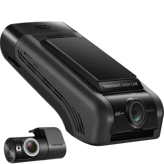
Thinkware Q1000
vs
Thinkware U3000:
10 Highlights & 29 Differences —
So, Which Dash Cam Actually Works Better
Consider video options, security features, and costs before picking your next dash cam.
From price to performance, we put Thinkware Q1000 and Thinkware U3000 through a detailed dash cams comparison — including standout general information, video & recording performance, camera & lens system & display & interface.
Thinkware Q1000 vs Thinkware U3000: A Deep Dive into Top-Tier Dash Cam Technology
When it comes to premium dash cams, the Thinkware Q1000 and Thinkware U3000 emerge as two highly capable contenders sharing many advanced features. Both boast a modular design without removable units and operate reliably across a broad temperature range of 14°F to 140°F, suitable for diverse climates. They are designed for versatile installation options on either front or rear windshields, providing flexible mounting opportunities. Core functionalities like emergency recording, collision detection, battery drain protection, and driver assistance alerts make them robust tools for enhancing vehicle safety. They both employ CMOS sensors, offer cloud connectivity, and allow firmware updates over the air or via an app, ensuring users stay updated effortlessly. Despite these fundamental similarities, there are notable distinctions in video recording capabilities, camera technologies, data security, and ownership costs that sharply delineate their appeal to different types of users.
Elevated Video Versatility and Wider Vision: The Thinkware Q1000
The Thinkware Q1000 stands out for its video recording flexibility and expansive field of view. It supports both H.264 and H.265 codecs, allowing users to choose their preferred compression method depending on storage and quality needs. Its event video recording length is adjustable from 10 to 60 seconds, providing longer pre and post-impact footage; a feature appealing for detailed incident reviews. With a front lens boasting a 156° wide angle, the Q1000 captures a broader roadway scene, which may help in capturing crucial peripheral activity, although this wide scope can sometimes introduce slight distortion.
Additional features include a reliable Sony CMOS rear sensor that performs well under normal lighting conditions, paired with powerful supercapacitors and hardwire options to maintain stable power delivery. The Q1000 also features file lock protection and manual file locking for secured videos but does not include storage encryption. However, potential buyers should note the requirement of a subscription service, which impacts the overall cost of ownership. It carries a higher price point, hovering around $476.29 at Amazon.
Thinkware U3000: Superior Low-Light Sensitivity and Security Without the Subscription
On the other hand, the Thinkware U3000 uniquely excels in low-light video capture, leveraging a Sony STARVIS rear sensor, renowned for its outstanding night vision capabilities. This makes it a strong choice for drivers frequently navigating poorly lit areas or nighttime environments. While it supports only the H.265 video codec, it efficiently compresses videos to reduce file size without sacrificing clarity.
The U3000's front lens offers a 152° field of view, slightly narrower than the Q1000 but still ample for capturing essential frontal traffic. Event recording is fixed at 10 seconds before and after impact, a shorter duration but standardized for quicker review. An important distinction is the inclusion of storage encryption, enhancing data security and privacy; an advantage for users concerned about sensitive footage protection.
Moreover, the U3000 requires no subscription, reducing long-term expenses considerably. It supports dual language options, English and Korean, which may be important for multilingual users. With built-in cloud connectivity, parking protection, and driver assistance alerts paralleling the Q1000's offerings, it also features reliable supercapacitor power support and hardwire installation options. The U3000 is more affordable, available between $379.99 and $429.99 at various retailers like $379.99 at TheDashCamStore.
Quick Take
If you want the widest front view and flexible video settings with a subscription plan, the Thinkware Q1000 is designed to provide that versatility. For drivers who prioritize superb rear low-light recording, strong storage encryption, and prefer to avoid ongoing fees, the Thinkware U3000 offers excellent value and performance. Both cameras deliver robust safety features and reliable power systems, ensuring dependable use in many environments.
Bottom Line: Which One Should You Choose?
Ultimately, the Thinkware Q1000 shines with its adjustable video event lengths and a wider field of view, ideal for users wanting expansive capture and codec options, willing to invest in a subscription service. Conversely, the Thinkware U3000 is an excellent choice for those seeking advanced night vision, enhanced data protection through encryption, and cost-effective ownership without subscriptions. Your choice hinges on whether you prioritize video customization and wide-angle views or enhanced security and low-light performance.
Verdict
Winner: Thinkware U3000 - Offers superior low-light performance, storage encryption for security, language support, and no subscription fees, making it the smarter choice for budget-conscious users needing strong night capabilities.
Runner-up: Thinkware Q1000 - Provides a wider front field of view with flexible codec support and longer event recording lengths but comes at a higher price with subscription costs.
Side by side. The numbers. The features. No drama.
We looked at what matters to drivers. Compare Thinkware Q1000 vs Thinkware U3000 across general information, video & recording performance, camera & lens system & display & interface, performance, and value to make the right pick.
Primary power is via Vehicle Power, and the unit includes a Supercapacitor for short-term backup and safer shutdowns instead of a lithium battery.
Thinkware U3000
Power is sourced from the vehicle power supply and includes a supercapacitor for backup, which increases reliability and prevents data loss during power interruptions.
Identifies how the dash cam is powered.
In the battle of Power Source Type,
Thinkware Q1000 ◉ is
same as
Thinkware U3000 ◉
.
Don’t keep it to yourself — be the first to react and review the
Power Source Type on Thinkware Q1000 ◉
vs Thinkware U3000 ◉ and help others decide!
Camera Configuration
What camera configuration does it use?
0
Thinkware Q1000
0Votes
Front, Front + Rear
0
Thinkware U3000
0Votes
Front
Thinkware Q1000
Supports both Front and Front + Rear configurations, giving flexibility for single- or dual-channel recording setups.
Indicates how many cameras and viewing angles are supported.
In the battle of Camera Configuration,
Thinkware Q1000 ◉ is
same as
Thinkware U3000 ◉
.
Don’t keep it to yourself — be the first to react and review the
Camera Configuration on Thinkware Q1000 ◉
vs Thinkware U3000 ◉ and help others decide!
Mounting Type
How is the dash cam mounted?
0
Thinkware Q1000
0Votes
Windshield
0
Thinkware U3000
0Votes
Windshield
Thinkware Q1000
Mounting type is Windshield, meaning the camera is intended to be attached to the front glass for optimal forward-facing coverage.
Describes where and how the dash cam is mounted in the vehicle.
In the battle of Mounting Type,
Thinkware Q1000 ◉ is
same as
Thinkware U3000 ◉
.
Don’t keep it to yourself — be the first to react and review the
Mounting Type on Thinkware Q1000 ◉
vs Thinkware U3000 ◉ and help others decide!
Release Year
What year was it released?
0
Thinkware Q1000
0Votes
2022
0
Thinkware U3000
0Votes
2023
Thinkware Q1000
Released in 2022, which gives a clear expectation of available features and firmware support for that model.
Indicates the year the product model was released.
In the battle of Release Year,
Thinkware Q1000 ◉ is
same as
Thinkware U3000 ◉
.
Don’t keep it to yourself — be the first to react and review the
Release Year on Thinkware Q1000 ◉
vs Thinkware U3000 ◉ and help others decide!
Operating Temperature Range
What temperature range does it support?
0
Thinkware Q1000
0Votes
14°F to 140°F
0
Thinkware U3000
0Votes
14°F to 140°F
vs
Operating Temperature Range
The Operating Temperature Range is identical for both Thinkware Q1000 and Thinkware U3000, rated from 14°F to 140°F. This wide range ensures reliable performance in cold and hot climates for both models, making them equally robust.
Defines the temperature range where the dash cam operates reliably.
In the battle of Operating Temperature Range,
Thinkware Q1000 ◉ is
same as
Thinkware U3000 ◉
.
Don’t keep it to yourself — be the first to react and review the
Operating Temperature Range on Thinkware Q1000 ◉
vs Thinkware U3000 ◉ and help others decide!
Device Type
What type of device is this?
0
Thinkware Q1000
0Votes
Dash Cam
0
Thinkware U3000
0Votes
Dash Cam
Defines the product category and primary function.
In the battle of Device Type,
Thinkware Q1000 ◉ is
same as
Thinkware U3000 ◉
.
Don’t keep it to yourself — be the first to react and review the
Device Type on Thinkware Q1000 ◉
vs Thinkware U3000 ◉ and help others decide!
Installation Location
Where is the dash cam installed?
0
Thinkware Q1000
0Votes
Front Windshield, Rear Windshield
0
Thinkware U3000
0Votes
Front Windshield, Rear Windshield
vs
Installation Location
Both Thinkware Q1000 and Thinkware U3000 support installation on the Front and Rear Windshield. This versatility offers users both front and rear coverage options, making both dash cams suitable for comprehensive vehicle monitoring.
Indicates the physical installation position inside the vehicle.
In the battle of Installation Location,
Thinkware Q1000 ◉ is
same as
Thinkware U3000 ◉
.
Don’t keep it to yourself — be the first to react and review the
Installation Location on Thinkware Q1000 ◉
vs Thinkware U3000 ◉ and help others decide!
Intended Vehicle Type
What vehicles is it intended for?
0
Thinkware Q1000
0Votes
Car, SUV, Truck, Van
0
Thinkware U3000
0Votes
Car, SUV, Truck, Van, Rideshare Vehicle
Specifies the types of vehicles the dash cam is designed for.
In the battle of Intended Vehicle Type,
Thinkware Q1000 ◉ is
same as
Thinkware U3000 ◉
.
Don’t keep it to yourself — be the first to react and review the
Intended Vehicle Type on Thinkware Q1000 ◉
vs Thinkware U3000 ◉ and help others decide!
Regarding Legal Compliance Mode, both Thinkware Q1000 and Thinkware U3000 support Audio Recording Toggle, Privacy Masking, and Timestamp Control. This ensures legal compliance features are fully covered in both, ideal for privacy-conscious users.
Supports compliance with local recording and privacy laws.
In the battle of Legal Compliance Mode,
Thinkware Q1000 ◉ is
same as
Thinkware U3000 ◉
.
Don’t keep it to yourself — be the first to react and review the
Legal Compliance Mode on Thinkware Q1000 ◉
vs Thinkware U3000 ◉ and help others decide!
Removable Unit
Is the dash cam removable?
No
0Votes
Thinkware Q1000
No
0Votes
Thinkware U3000
vs
Removable Unit
For the Removable Unit specification, neither the Thinkware Q1000 nor the Thinkware U3000 has a removable unit. This means both devices stay fixed once installed, so there is no advantage for users needing a detachable dash cam.
Indicates whether the main unit can be easily removed.
In the battle of Removable Unit,
Thinkware Q1000 ◉ is
same as
Thinkware U3000 ◉
.
Don’t keep it to yourself — be the first to react and review the
Removable Unit on Thinkware Q1000 ◉
vs Thinkware U3000 ◉ and help others decide!
Modular Design
Does it have a modular design?
Yes
0Votes
Thinkware Q1000
Yes
0Votes
Thinkware U3000
vs
Modular Design
Both Thinkware Q1000 and Thinkware U3000 feature a Modular Design, making both models adaptable for various configurations. This shared modularity benefits users looking for flexible installation options, making either suitable in terms of design modularity.
Specifies whether components can be added or replaced separately.
In the battle of Modular Design,
Thinkware Q1000 ◉ is
same as
Thinkware U3000 ◉
.
Don’t keep it to yourself — be the first to react and review the
Modular Design on Thinkware Q1000 ◉
vs Thinkware U3000 ◉ and help others decide!
Describes the device’s ability to withstand environmental conditions such as heat, cold, or humidity.
In the battle of Weather Resistance Rating,
Thinkware Q1000 ◉ is
same as
Thinkware U3000 ◉
.
Don’t keep it to yourself — be the first to react and review the
Weather Resistance Rating on Thinkware Q1000 ◉
vs Thinkware U3000 ◉ and help others decide!
Storage Media Type
What storage media does it use?
0
Thinkware Q1000
0Votes
microSD
0
Thinkware U3000
0Votes
microSD
Specifies the type of storage media used to record video footage.
In the battle of Storage Media Type,
Thinkware Q1000 ◉ is
same as
Thinkware U3000 ◉
.
Don’t keep it to yourself — be the first to react and review the
Storage Media Type on Thinkware Q1000 ◉
vs Thinkware U3000 ◉ and help others decide!
Expandable Storage
Does it support expandable storage?
Yes
0Votes
Thinkware Q1000
Yes
0Votes
Thinkware U3000
Indicates whether storage capacity can be expanded.
In the battle of Expandable Storage,
Thinkware Q1000 ◉ is
same as
Thinkware U3000 ◉
.
Don’t keep it to yourself — be the first to react and review the
Expandable Storage on Thinkware Q1000 ◉
vs Thinkware U3000 ◉ and help others decide!
Video & Recording Performance
24
Video Codec
What video codec is used?
0
Thinkware Q1000
1Votes
H.264, H.265
0
Thinkware U3000
0Votes
H.265
vs
Video Codec
Thinkware Q1000 supports both H.264 and H.265 video codecs, whereas Thinkware U3000 uses only H.265. The Q1000's dual codec support offers more flexibility in video compression options, making it slightly advantageous for compatibility needs.
Defines the compression format used for video files.
In the battle of Video Codec,
Thinkware Q1000 ◉ is
same as
Thinkware U3000 ◉
.
Based on community votes for Video Codec,
Thinkware Q1000 ◉ earned
1 votes,
more than
Thinkware U3000 ◉,
which got 0 votes.
I like the Q1000 for video codec options since it supports both H.264 and H.265 which is pretty flexible.
See more
Front Camera Resolution
What is the front camera resolution?
0
Thinkware Q1000
0Votes
1440p
0
Thinkware U3000
0Votes
4K
Thinkware U3000
The front camera records in 4K resolution, providing highly detailed video footage for superior clarity and evidence.
Specifies the video resolution of the front-facing camera.
In the battle of Front Camera Resolution,
Thinkware Q1000 ◉ is
same as
Thinkware U3000 ◉
.
Don’t keep it to yourself — be the first to react and review the
Front Camera Resolution on Thinkware Q1000 ◉
vs Thinkware U3000 ◉ and help others decide!
Rear Camera Resolution
What is the rear camera resolution?
0
Thinkware Q1000
0Votes
1440p
0
Thinkware U3000
0Votes
1440p
Thinkware Q1000
Rear camera records at 1440p, providing noticeably higher detail than 1080p for clearer license plate and scene capture.
Indicates the resolution of the rear-facing camera.
In the battle of Rear Camera Resolution,
Thinkware Q1000 ◉ is
same as
Thinkware U3000 ◉
.
Don’t keep it to yourself — be the first to react and review the
Rear Camera Resolution on Thinkware Q1000 ◉
vs Thinkware U3000 ◉ and help others decide!
Front Frame Rate
What is the front camera frame rate?
30
Hz
0Votes
30
Hz
0Votes
vs
Front Frame Rate
The Front Frame Rate on both Thinkware Q1000 and Thinkware U3000 stands at 30 Hz, providing smooth video capturing for driving events. This consistent rate benefits drivers seeking clear and fluid video recordings in both models.
Measures how smoothly the front camera records motion.
In the battle of Front Frame Rate,
Thinkware Q1000 ◉ is
same as
Thinkware U3000 ◉
, delivering
equal
30.00 Hz
measurement.
Don’t keep it to yourself — be the first to react and review the
Front Frame Rate on Thinkware Q1000 ◉
vs Thinkware U3000 ◉ and help others decide!
Rear Frame Rate
What is the rear camera frame rate?
30
Hz
0Votes
30
Hz
0Votes
Thinkware U3000
Both front and rear cameras record at a frame rate of 30 Hz, which delivers smooth video playback suitable for capturing critical moments accurately.
Indicates the rear camera’s recording smoothness.
In the battle of Rear Frame Rate,
Thinkware Q1000 ◉ is
same as
Thinkware U3000 ◉
, delivering
equal
30.00 Hz
measurement.
Don’t keep it to yourself — be the first to react and review the
Rear Frame Rate on Thinkware Q1000 ◉
vs Thinkware U3000 ◉ and help others decide!
Night Vision Mode
Does it have night vision?
Yes
0Votes
Thinkware Q1000
Yes
0Votes
Thinkware U3000
Thinkware U3000
Night vision mode is supported, allowing the dash cam to capture clearer footage in low light or nighttime scenarios, crucial for accident evidence in dark environments.
Enables improved recording in low-light conditions.
In the battle of Night Vision Mode,
Thinkware Q1000 ◉ is
same as
Thinkware U3000 ◉
.
Don’t keep it to yourself — be the first to react and review the
Night Vision Mode on Thinkware Q1000 ◉
vs Thinkware U3000 ◉ and help others decide!
Continuous Recording
Can it record continuously?
Yes
0Votes
Thinkware Q1000
Yes
0Votes
Thinkware U3000
Thinkware Q1000
Continuous recording means the device records in a loop while powered, automatically overwriting the oldest footage when storage is full.
Indicates support for uninterrupted recording sessions.
In the battle of Continuous Recording,
Thinkware Q1000 ◉ is
same as
Thinkware U3000 ◉
.
Don’t keep it to yourself — be the first to react and review the
Continuous Recording on Thinkware Q1000 ◉
vs Thinkware U3000 ◉ and help others decide!
Dual Recording
Does it support dual recording?
Yes
0Votes
Thinkware Q1000
Yes
0Votes
Thinkware U3000
Thinkware U3000
Dual recording is supported, meaning the device can record simultaneously from front and rear cameras for comprehensive coverage.
Allows simultaneous front and rear recording.
In the battle of Dual Recording,
Thinkware Q1000 ◉ is
same as
Thinkware U3000 ◉
.
Don’t keep it to yourself — be the first to react and review the
Dual Recording on Thinkware Q1000 ◉
vs Thinkware U3000 ◉ and help others decide!
Time-Lapse Recording
Is time-lapse recording available?
Yes
0Votes
Thinkware Q1000
Yes
0Votes
Thinkware U3000
Thinkware U3000
Time-lapse recording is supported, allowing long periods of parking or driving to be condensed into shorter video segments for easier review and storage efficiency.
Captures frames at intervals to save storage.
In the battle of Time-Lapse Recording,
Thinkware Q1000 ◉ is
same as
Thinkware U3000 ◉
.
Don’t keep it to yourself — be the first to react and review the
Time-Lapse Recording on Thinkware Q1000 ◉
vs Thinkware U3000 ◉ and help others decide!
Event Video Length
How long are event recordings?
0
Thinkware Q1000
1Votes
10-60 Seconds
0
Thinkware U3000
0Votes
10 Seconds Before and After Impact
vs
Event Video Length
Thinkware Q1000 records event video lengths from 10 to 60 seconds, while Thinkware U3000 captures 10 seconds before and after impact. The Q1000 offers a longer maximum event duration, ideal for users wanting extended incident footage.
Defines the duration of automatically saved event recordings.
In the battle of Event Video Length,
Thinkware Q1000 ◉ is
same as
Thinkware U3000 ◉
.
Based on community votes for Event Video Length,
Thinkware Q1000 ◉ earned
1 votes,
more than
Thinkware U3000 ◉,
which got 0 votes.
The event video length of the Q1000 is a clear win here because it offers 10 to 60 seconds versus just 10 seconds for the U3000.
See more
Interior Camera Resolution
What is the interior camera resolution?
Who knows?
0Votes
Thinkware Q1000
(Help us out by suggesting one!)
Who knows?
0Votes
Thinkware U3000
(Help us out by suggesting one!)
Defines the resolution of the interior-facing camera.
Don’t keep it to yourself — be the first to react and review the
Interior Camera Resolution on Thinkware Q1000 ◉
vs Thinkware U3000 ◉ and help others decide!
Interior Frame Rate
What is the interior camera frame rate?
Who knows?
0Votes
Thinkware Q1000
(Help us out by suggesting one!)
Who knows?
0Votes
Thinkware U3000
(Help us out by suggesting one!)
Measures frame rate for interior video recording.
Don’t keep it to yourself — be the first to react and review the
Interior Frame Rate on Thinkware Q1000 ◉
vs Thinkware U3000 ◉ and help others decide!
Video Bitrate
What is the video bitrate?
Who knows?
0Votes
Thinkware Q1000
(Help us out by suggesting one!)
0
Thinkware U3000
0Votes
Up to 60 Mbps
Describes the data rate used for video encoding quality.
Don’t keep it to yourself — be the first to react and review the
Video Bitrate on Thinkware Q1000 ◉
vs Thinkware U3000 ◉ and help others decide!
HDR
Does it support HDR?
Yes
0Votes
Thinkware Q1000
Yes
0Votes
Thinkware U3000
Indicates support for High Dynamic Range video.
In the battle of HDR,
Thinkware Q1000 ◉ is
same as
Thinkware U3000 ◉
.
Don’t keep it to yourself — be the first to react and review the
HDR on Thinkware Q1000 ◉
vs Thinkware U3000 ◉ and help others decide!
WDR
Does it support WDR?
Yes
0Votes
Thinkware Q1000
Yes
0Votes
Thinkware U3000
vs
WDR
Both Thinkware Q1000 and Thinkware U3000 include Wide Dynamic Range (WDR), improving video quality under varied lighting. This shared feature enhances visibility in challenging light conditions, benefitting users requiring clear video footage.
Enhances visibility in mixed lighting conditions.
In the battle of WDR,
Thinkware Q1000 ◉ is
same as
Thinkware U3000 ◉
.
Don’t keep it to yourself — be the first to react and review the
WDR on Thinkware Q1000 ◉
vs Thinkware U3000 ◉ and help others decide!
Infrared Night Vision
Does it support infrared night vision?
No
0Votes
Thinkware Q1000
No
0Votes
Thinkware U3000
Uses infrared LEDs for interior or low-light recording.
In the battle of Infrared Night Vision,
Thinkware Q1000 ◉ is
same as
Thinkware U3000 ◉
.
Don’t keep it to yourself — be the first to react and review the
Infrared Night Vision on Thinkware Q1000 ◉
vs Thinkware U3000 ◉ and help others decide!
Low-Light Enhancement
Is low-light enhanced?
Yes
0Votes
Thinkware Q1000
No
0Votes
Thinkware U3000
Improves video clarity in dark environments.
In the battle of Low-Light Enhancement,
Thinkware Q1000 ◉ is
better than
Thinkware U3000 ◉
.
Don’t keep it to yourself — be the first to react and review the
Low-Light Enhancement on Thinkware Q1000 ◉
vs Thinkware U3000 ◉ and help others decide!
Loop Recording
Does it support loop recording?
Yes
0Votes
Thinkware Q1000
Yes
0Votes
Thinkware U3000
Automatically overwrites old footage when storage is full.
In the battle of Loop Recording,
Thinkware Q1000 ◉ is
same as
Thinkware U3000 ◉
.
Don’t keep it to yourself — be the first to react and review the
Loop Recording on Thinkware Q1000 ◉
vs Thinkware U3000 ◉ and help others decide!
Emergency Recording
Is emergency recording supported?
Yes
0Votes
Thinkware Q1000
Yes
0Votes
Thinkware U3000
vs
Emergency Recording
Emergency Recording is supported by both Thinkware Q1000 and Thinkware U3000, ensuring critical footage is captured during incidents. This identical functionality enhances safety and security for all users choosing either dash cam.
Locks footage during detected incidents.
In the battle of Emergency Recording,
Thinkware Q1000 ◉ is
same as
Thinkware U3000 ◉
.
Don’t keep it to yourself — be the first to react and review the
Emergency Recording on Thinkware Q1000 ◉
vs Thinkware U3000 ◉ and help others decide!
Triple Channel Recording
Does it support triple recording?
No
0Votes
Thinkware Q1000
No
0Votes
Thinkware U3000
Supports front, rear, and interior recording together.
In the battle of Triple Channel Recording,
Thinkware Q1000 ◉ is
same as
Thinkware U3000 ◉
.
Don’t keep it to yourself — be the first to react and review the
Triple Channel Recording on Thinkware Q1000 ◉
vs Thinkware U3000 ◉ and help others decide!
Parking Recording Mode
Does it record while parked?
Yes
0Votes
Thinkware Q1000
Yes
0Votes
Thinkware U3000
Enables recording while the vehicle is parked.
In the battle of Parking Recording Mode,
Thinkware Q1000 ◉ is
same as
Thinkware U3000 ◉
.
Don’t keep it to yourself — be the first to react and review the
Parking Recording Mode on Thinkware Q1000 ◉
vs Thinkware U3000 ◉ and help others decide!
Recording Delay After Ignition
How long does recording continue after ignition off?
Specifies how long recording continues after the engine is turned off.
In the battle of Recording Delay After Ignition,
Thinkware Q1000 ◉ is
same as
Thinkware U3000 ◉
.
Don’t keep it to yourself — be the first to react and review the
Recording Delay After Ignition on Thinkware Q1000 ◉
vs Thinkware U3000 ◉ and help others decide!
Audio Recording
Does it record audio?
Yes
0Votes
Thinkware Q1000
Yes
0Votes
Thinkware U3000
Captures in-cabin audio alongside video.
In the battle of Audio Recording,
Thinkware Q1000 ◉ is
same as
Thinkware U3000 ◉
.
Don’t keep it to yourself — be the first to react and review the
Audio Recording on Thinkware Q1000 ◉
vs Thinkware U3000 ◉ and help others decide!
Audio Recording Disable Option
Can audio recording be disabled?
Yes
0Votes
Thinkware Q1000
No
0Votes
Thinkware U3000
Allows users to turn off audio recording.
In the battle of Audio Recording Disable Option,
Thinkware Q1000 ◉ is
better than
Thinkware U3000 ◉
.
Don’t keep it to yourself — be the first to react and review the
Audio Recording Disable Option on Thinkware Q1000 ◉
vs Thinkware U3000 ◉ and help others decide!
Camera & Lens System
16
Front Lens Field of View
What is the front lens field of view?
156
degree
1Votes
152
degree
0Votes
vs
Front Lens Field of View
Thinkware Q1000 offers a Front Lens Field of View of 156 degrees compared to 152 degrees in Thinkware U3000. The slightly wider angle of Q1000 provides a broader scene capture, beneficial for users wanting maximized front coverage.
Indicates how wide the front camera can capture the road.
In the battle of Front Lens Field of View,
Thinkware Q1000 ◉ is
better than
Thinkware U3000 ◉
, delivering
higher
4.0 degree
measurement.
Based on community votes for Front Lens Field of View,
Thinkware Q1000 ◉ earned
1 votes,
more than
Thinkware U3000 ◉,
which got 0 votes.
I'm leaning towards the Q1000 because its 156 degree front lens field of view captures more scene compared to U3000's 152 degrees.
See more
Rear Sensor Model
What is the rear sensor model?
0
Thinkware Q1000
0Votes
Sony CMOS
0
Thinkware U3000
1Votes
Sony STARVIS
vs
Rear Sensor Model
The Rear Sensor Model differs as Thinkware Q1000 uses Sony CMOS, whereas Thinkware U3000 uses the advanced Sony STARVIS sensor. The U3000's STARVIS sensor offers better low-light performance, making it preferable for night-time rear recording.
Indicates the image sensor model for the rear camera.
In the battle of Rear Sensor Model,
Thinkware Q1000 ◉ is
same as
Thinkware U3000 ◉
.
Based on community votes for Rear Sensor Model,
Thinkware Q1000 ◉ earned
0 votes,
less than
Thinkware U3000 ◉,
which got 1 votes.
The U3000 gets my vote on rear sensor model since Sony STARVIS is known for awesome low-light video compared to the Q1000's Sony CMOS.
See more
Rear Lens Field of View
What is the rear lens field of view?
160
degree
0Votes
128
degree
0Votes
Thinkware Q1000
Rear lens field of view is 160°, providing broad rear coverage which is useful for parking and reversing events.
Defines the viewing angle of the rear-facing lens.
In the battle of Rear Lens Field of View,
Thinkware Q1000 ◉ is
better than
Thinkware U3000 ◉
, delivering
higher
32.0 degree
measurement.
Don’t keep it to yourself — be the first to react and review the
Rear Lens Field of View on Thinkware Q1000 ◉
vs Thinkware U3000 ◉ and help others decide!
Lens Aperture
What is the lens aperture?
0
Thinkware Q1000
0Votes
f/1.7
0
Thinkware U3000
0Votes
F1.7
Thinkware Q1000
Lens aperture is f/1.7, allowing more light onto the sensor for improved low-light performance and clearer night recordings.
Describes the lens opening size affecting low-light performance.
In the battle of Lens Aperture,
Thinkware Q1000 ◉ is
same as
Thinkware U3000 ◉
.
Don’t keep it to yourself — be the first to react and review the
Lens Aperture on Thinkware Q1000 ◉
vs Thinkware U3000 ◉ and help others decide!
Lens Element Count
How many lens elements are used?
0
Thinkware Q1000
0Votes
6-element
0
Thinkware U3000
0Votes
7-layer glass
Thinkware Q1000
Lens construction is 6-element, which typically improves sharpness and reduces optical aberrations compared with simpler lens assemblies.
Indicates how many glass elements make up the lens.
In the battle of Lens Element Count,
Thinkware Q1000 ◉ is
same as
Thinkware U3000 ◉
.
Don’t keep it to yourself — be the first to react and review the
Lens Element Count on Thinkware Q1000 ◉
vs Thinkware U3000 ◉ and help others decide!
Lens Type
What type of lens is used?
0
Thinkware Q1000
0Votes
Glass
0
Thinkware U3000
0Votes
Glass
Thinkware Q1000
Lens material is Glass, which usually offers better optical clarity and durability compared with plastic alternatives.
Specifies the material and construction of the lens.
In the battle of Lens Type,
Thinkware Q1000 ◉ is
same as
Thinkware U3000 ◉
.
Don’t keep it to yourself — be the first to react and review the
Lens Type on Thinkware Q1000 ◉
vs Thinkware U3000 ◉ and help others decide!
Anti-Glare Coating
Does it have anti-glare coating?
Yes
0Votes
Thinkware Q1000
Yes
0Votes
Thinkware U3000
Thinkware U3000
Anti-glare coating is applied, improving visibility of the screen under bright or reflective conditions, making operation easier in daylight.
Minimizes reflections and glare on the lens surface.
In the battle of Anti-Glare Coating,
Thinkware Q1000 ◉ is
same as
Thinkware U3000 ◉
.
Don’t keep it to yourself — be the first to react and review the
Anti-Glare Coating on Thinkware Q1000 ◉
vs Thinkware U3000 ◉ and help others decide!
Interior Lens Field of View
What is the interior lens field of view?
Who knows?
0Votes
Thinkware Q1000
(Help us out by suggesting one!)
Who knows?
0Votes
Thinkware U3000
(Help us out by suggesting one!)
Measures the viewing angle for interior cabin recording.
Don’t keep it to yourself — be the first to react and review the
Interior Lens Field of View on Thinkware Q1000 ◉
vs Thinkware U3000 ◉ and help others decide!
Adjustable Lens Angle
Is the lens angle adjustable?
Yes
0Votes
Thinkware Q1000
Yes
0Votes
Thinkware U3000
Indicates whether the lens angle can be manually adjusted.
In the battle of Adjustable Lens Angle,
Thinkware Q1000 ◉ is
same as
Thinkware U3000 ◉
.
Don’t keep it to yourself — be the first to react and review the
Adjustable Lens Angle on Thinkware Q1000 ◉
vs Thinkware U3000 ◉ and help others decide!
Focus Type
What focus type does it use?
0
Thinkware Q1000
0Votes
Fixed
0
Thinkware U3000
0Votes
Fixed
vs
Focus Type
Focus Type for both Thinkware Q1000 and Thinkware U3000 is Fixed, meaning no manual adjustment is needed. This design choice keeps focus stable and offers ease of use for users of both devices.
Describes how the camera focuses on objects.
In the battle of Focus Type,
Thinkware Q1000 ◉ is
same as
Thinkware U3000 ◉
.
Don’t keep it to yourself — be the first to react and review the
Focus Type on Thinkware Q1000 ◉
vs Thinkware U3000 ◉ and help others decide!
Distortion Correction
Does it correct lens distortion?
Yes
0Votes
Thinkware Q1000
Yes
0Votes
Thinkware U3000
Reduces fisheye or edge distortion in wide-angle footage.
In the battle of Distortion Correction,
Thinkware Q1000 ◉ is
same as
Thinkware U3000 ◉
.
Don’t keep it to yourself — be the first to react and review the
Distortion Correction on Thinkware Q1000 ◉
vs Thinkware U3000 ◉ and help others decide!
Polarizing Filter
Does it support a polarizing filter?
No
0Votes
Thinkware Q1000
No
0Votes
Thinkware U3000
vs
Polarizing Filter
Neither Thinkware Q1000 nor Thinkware U3000 has a Polarizing Filter, so glare reduction is not addressed by either model via this feature. Users seeking polarization will find both models lacking in this specific area.
Supports optional CPL filters to reduce reflections.
In the battle of Polarizing Filter,
Thinkware Q1000 ◉ is
same as
Thinkware U3000 ◉
.
Don’t keep it to yourself — be the first to react and review the
Polarizing Filter on Thinkware Q1000 ◉
vs Thinkware U3000 ◉ and help others decide!
Sensor Type
What sensor type is used?
0
Thinkware Q1000
0Votes
CMOS
0
Thinkware U3000
0Votes
CMOS
vs
Sensor Type
Both dash cams use CMOS sensors ensuring reliable image capture, with Thinkware Q1000 and U3000 sharing this same sensor type. This consistency guarantees good performance in various lighting for both models.
Identifies the imaging sensor technology used.
In the battle of Sensor Type,
Thinkware Q1000 ◉ is
same as
Thinkware U3000 ◉
.
Don’t keep it to yourself — be the first to react and review the
Sensor Type on Thinkware Q1000 ◉
vs Thinkware U3000 ◉ and help others decide!
Front Sensor Model
What is the front sensor model?
0
Thinkware Q1000
0Votes
Sony STARVIS
0
Thinkware U3000
0Votes
Sony STARVIS 2 IMX678
Specifies the image sensor model used for the front camera.
In the battle of Front Sensor Model,
Thinkware Q1000 ◉ is
same as
Thinkware U3000 ◉
.
Don’t keep it to yourself — be the first to react and review the
Front Sensor Model on Thinkware Q1000 ◉
vs Thinkware U3000 ◉ and help others decide!
Interior Sensor Model
What is the interior sensor model?
Who knows?
0Votes
Thinkware Q1000
(Help us out by suggesting one!)
Who knows?
0Votes
Thinkware U3000
(Help us out by suggesting one!)
Defines the sensor model used for interior recording.
Don’t keep it to yourself — be the first to react and review the
Interior Sensor Model on Thinkware Q1000 ◉
vs Thinkware U3000 ◉ and help others decide!
Image Stabilization
Is image stabilization supported?
No
0Votes
Thinkware Q1000
No
0Votes
Thinkware U3000
Helps reduce shake and vibration in recorded footage.
In the battle of Image Stabilization,
Thinkware Q1000 ◉ is
same as
Thinkware U3000 ◉
.
Don’t keep it to yourself — be the first to react and review the
Image Stabilization on Thinkware Q1000 ◉
vs Thinkware U3000 ◉ and help others decide!
Display & Interface
12
Voice Prompt
Are voice prompts supported?
Yes
0Votes
Thinkware Q1000
Yes
0Votes
Thinkware U3000
Thinkware U3000
Voice prompts are available to inform the user about the device status and operational feedback, improving usability without needing to check the screen.
Provides spoken alerts and system notifications.
In the battle of Voice Prompt,
Thinkware Q1000 ◉ is
same as
Thinkware U3000 ◉
.
Don’t keep it to yourself — be the first to react and review the
Voice Prompt on Thinkware Q1000 ◉
vs Thinkware U3000 ◉ and help others decide!
Language Support
What languages are supported?
Who knows?
0Votes
Thinkware Q1000
(Help us out by suggesting one!)
0
Thinkware U3000
0Votes
English,Korean
vs
Language Support
Language Support is unavailable for Thinkware Q1000, while Thinkware U3000 supports English and Korean. Users needing language options will find the U3000 more suitable for diverse language preferences.
Specifies supported system interface languages.
Don’t keep it to yourself — be the first to react and review the
Language Support on Thinkware Q1000 ◉
vs Thinkware U3000 ◉ and help others decide!
Built-in Display
Does it have a built-in display?
No
0Votes
Thinkware Q1000
No
0Votes
Thinkware U3000
Indicates whether the dash cam includes an integrated screen.
In the battle of Built-in Display,
Thinkware Q1000 ◉ is
same as
Thinkware U3000 ◉
.
Don’t keep it to yourself — be the first to react and review the
Built-in Display on Thinkware Q1000 ◉
vs Thinkware U3000 ◉ and help others decide!
Display Size
What is the display size?
Who knows?
0Votes
Thinkware Q1000
(Help us out by suggesting one!)
Who knows?
0Votes
Thinkware U3000
(Help us out by suggesting one!)
Measures the diagonal size of the built-in screen.
Don’t keep it to yourself — be the first to react and review the
Display Size on Thinkware Q1000 ◉
vs Thinkware U3000 ◉ and help others decide!
Display Type
What type of display does it use?
Who knows?
0Votes
Thinkware Q1000
(Help us out by suggesting one!)
Who knows?
0Votes
Thinkware U3000
(Help us out by suggesting one!)
Describes the screen technology used.
Don’t keep it to yourself — be the first to react and review the
Display Type on Thinkware Q1000 ◉
vs Thinkware U3000 ◉ and help others decide!
Touchscreen
Is the display touchscreen-enabled?
No
0Votes
Thinkware Q1000
No
0Votes
Thinkware U3000
Indicates whether the screen supports touch input.
In the battle of Touchscreen,
Thinkware Q1000 ◉ is
same as
Thinkware U3000 ◉
.
Don’t keep it to yourself — be the first to react and review the
Touchscreen on Thinkware Q1000 ◉
vs Thinkware U3000 ◉ and help others decide!
Screen Resolution
What is the screen resolution?
Who knows?
0Votes
Thinkware Q1000
(Help us out by suggesting one!)
Who knows?
0Votes
Thinkware U3000
(Help us out by suggesting one!)
Defines the pixel resolution of the display.
Don’t keep it to yourself — be the first to react and review the
Screen Resolution on Thinkware Q1000 ◉
vs Thinkware U3000 ◉ and help others decide!
Screen Rotation
Does the screen rotate automatically?
No
0Votes
Thinkware Q1000
No
0Votes
Thinkware U3000
Allows the display to rotate based on mounting orientation.
In the battle of Screen Rotation,
Thinkware Q1000 ◉ is
same as
Thinkware U3000 ◉
.
Don’t keep it to yourself — be the first to react and review the
Screen Rotation on Thinkware Q1000 ◉
vs Thinkware U3000 ◉ and help others decide!
Screen Auto-Off
Does the screen turn off automatically?
No
0Votes
Thinkware Q1000
No
0Votes
Thinkware U3000
Turns off the screen automatically to reduce distraction.
In the battle of Screen Auto-Off,
Thinkware Q1000 ◉ is
same as
Thinkware U3000 ◉
.
Don’t keep it to yourself — be the first to react and review the
Screen Auto-Off on Thinkware Q1000 ◉
vs Thinkware U3000 ◉ and help others decide!
Status LED Indicators
Are status LEDs included?
Yes
0Votes
Thinkware Q1000
Yes
0Votes
Thinkware U3000
vs
Status LED Indicators
Status LED Indicators are present in both Thinkware Q1000 and Thinkware U3000, providing clear device operation feedback. This helpful feature is consistent, supporting ease of status monitoring in both models.
Uses LED lights to show recording or system status.
In the battle of Status LED Indicators,
Thinkware Q1000 ◉ is
same as
Thinkware U3000 ◉
.
Don’t keep it to yourself — be the first to react and review the
Status LED Indicators on Thinkware Q1000 ◉
vs Thinkware U3000 ◉ and help others decide!
Physical Control Buttons
Does it have physical buttons?
Yes
0Votes
Thinkware Q1000
Yes
0Votes
Thinkware U3000
Indicates presence of tactile buttons for control.
In the battle of Physical Control Buttons,
Thinkware Q1000 ◉ is
same as
Thinkware U3000 ◉
.
Don’t keep it to yourself — be the first to react and review the
Physical Control Buttons on Thinkware Q1000 ◉
vs Thinkware U3000 ◉ and help others decide!
Voice Control
Does it support voice control?
No
0Votes
Thinkware Q1000
No
0Votes
Thinkware U3000
vs
Voice Control
Voice Control is not supported by either Thinkware Q1000 or U3000. Therefore, hands-free operation via voice commands is unavailable on both, possibly limiting convenience features for voice-command seekers.
Allows hands-free control using voice commands.
In the battle of Voice Control,
Thinkware Q1000 ◉ is
same as
Thinkware U3000 ◉
.
Don’t keep it to yourself — be the first to react and review the
Voice Control on Thinkware Q1000 ◉
vs Thinkware U3000 ◉ and help others decide!
Connectivity & Smart Features
14
Live View via App
Can you view live footage in the app?
Yes
0Votes
Thinkware Q1000
Yes
0Votes
Thinkware U3000
Thinkware Q1000
Live view via the mobile app allows remote monitoring of the camera feed on a paired smartphone while driving or when parked.
Enables real-time camera viewing through the mobile app.
In the battle of Live View via App,
Thinkware Q1000 ◉ is
same as
Thinkware U3000 ◉
.
Don’t keep it to yourself — be the first to react and review the
Live View via App on Thinkware Q1000 ◉
vs Thinkware U3000 ◉ and help others decide!
Driver Assistance Alerts
Are driver assistance alerts included?
Yes
0Votes
Thinkware Q1000
Yes
0Votes
Thinkware U3000
vs
Driver Assistance Alerts
Driver Assistance Alerts are available on both Thinkware Q1000 and U3000, supporting safer driving by notifying potential hazards. Such smart features make both models suitable for safety-conscious drivers.
Provides alerts related to driving behavior or road conditions.
In the battle of Driver Assistance Alerts,
Thinkware Q1000 ◉ is
same as
Thinkware U3000 ◉
.
Don’t keep it to yourself — be the first to react and review the
Driver Assistance Alerts on Thinkware Q1000 ◉
vs Thinkware U3000 ◉ and help others decide!
AI Event Detection
Does it use AI event detection?
Yes
0Votes
Thinkware Q1000
Yes
0Votes
Thinkware U3000
Thinkware Q1000
AI event detection flags incidents such as collisions or sudden maneuvers, making it easier to locate important clips in the footage.
Uses AI to detect incidents like collisions or sudden braking.
In the battle of AI Event Detection,
Thinkware Q1000 ◉ is
same as
Thinkware U3000 ◉
.
Don’t keep it to yourself — be the first to react and review the
AI Event Detection on Thinkware Q1000 ◉
vs Thinkware U3000 ◉ and help others decide!
Wi-Fi Connectivity
Does it support Wi-Fi?
Yes
0Votes
Thinkware Q1000
Yes
0Votes
Thinkware U3000
Thinkware U3000
Wi-Fi connectivity is included, enabling wireless file transfers and real-time monitoring through a connected app.
Indicates whether the dash cam supports Wi-Fi connectivity.
In the battle of Wi-Fi Connectivity,
Thinkware Q1000 ◉ is
same as
Thinkware U3000 ◉
.
Don’t keep it to yourself — be the first to react and review the
Wi-Fi Connectivity on Thinkware Q1000 ◉
vs Thinkware U3000 ◉ and help others decide!
Wi-Fi Frequency Band
Which Wi-Fi bands are supported?
0
Thinkware Q1000
0Votes
2.4GHz, 5GHz
0
Thinkware U3000
0Votes
2.4GHz, 5GHz
vs
Wi-Fi Frequency Band
Both Thinkware Q1000 and U3000 utilize dual-band Wi-Fi (2.4GHz and 5GHz), providing faster and more stable wireless connectivity. This dual-band support benefits users needing efficient data transfer and app use.
Specifies supported Wi-Fi bands for connection stability and speed.
In the battle of Wi-Fi Frequency Band,
Thinkware Q1000 ◉ is
same as
Thinkware U3000 ◉
.
Don’t keep it to yourself — be the first to react and review the
Wi-Fi Frequency Band on Thinkware Q1000 ◉
vs Thinkware U3000 ◉ and help others decide!
Bluetooth Connectivity
Does it support Bluetooth?
Yes
0Votes
Thinkware Q1000
Yes
0Votes
Thinkware U3000
Enables short-range wireless communication with other devices.
In the battle of Bluetooth Connectivity,
Thinkware Q1000 ◉ is
same as
Thinkware U3000 ◉
.
Don’t keep it to yourself — be the first to react and review the
Bluetooth Connectivity on Thinkware Q1000 ◉
vs Thinkware U3000 ◉ and help others decide!
Mobile App Support
Is there a mobile app?
Yes
0Votes
Thinkware Q1000
Yes
0Votes
Thinkware U3000
Indicates compatibility with a companion mobile application.
In the battle of Mobile App Support,
Thinkware Q1000 ◉ is
same as
Thinkware U3000 ◉
.
Don’t keep it to yourself — be the first to react and review the
Mobile App Support on Thinkware Q1000 ◉
vs Thinkware U3000 ◉ and help others decide!
Cloud Connectivity
Does it support cloud connectivity?
Yes
0Votes
Thinkware Q1000
Yes
0Votes
Thinkware U3000
vs
Cloud Connectivity
Cloud Connectivity is enabled on both Thinkware Q1000 and U3000, allowing secure storage and remote access to videos. This valuable feature adds convenience and security via online services for both models.
Allows footage upload and access via cloud services.
In the battle of Cloud Connectivity,
Thinkware Q1000 ◉ is
same as
Thinkware U3000 ◉
.
Don’t keep it to yourself — be the first to react and review the
Cloud Connectivity on Thinkware Q1000 ◉
vs Thinkware U3000 ◉ and help others decide!
Video Download via App
Can videos be downloaded via the app?
Yes
0Votes
Thinkware Q1000
Yes
0Votes
Thinkware U3000
vs
Video Download via App
Video Download via App is supported by both Thinkware Q1000 and U3000, enabling easy access to recorded footage on mobile devices. This shared feature enhances user convenience for managing videos remotely.
Allows recorded videos to be downloaded directly to a phone.
In the battle of Video Download via App,
Thinkware Q1000 ◉ is
same as
Thinkware U3000 ◉
.
Don’t keep it to yourself — be the first to react and review the
Video Download via App on Thinkware Q1000 ◉
vs Thinkware U3000 ◉ and help others decide!
Firmware Update Method
How are firmware updates performed?
0
Thinkware Q1000
0Votes
App-Based, OTA, SD Card
0
Thinkware U3000
0Votes
App-Based, OTA, SD Card
vs
Firmware Update Method
Firmware Update Method for both Thinkware Q1000 and U3000 includes App-Based, OTA, and SD Card updates. This flexible updating ensures easy maintenance and feature upgrades, making both models equally convenient.
Describes how firmware updates are delivered and installed.
In the battle of Firmware Update Method,
Thinkware Q1000 ◉ is
same as
Thinkware U3000 ◉
.
Don’t keep it to yourself — be the first to react and review the
Firmware Update Method on Thinkware Q1000 ◉
vs Thinkware U3000 ◉ and help others decide!
GPS Module
Does it have GPS?
Yes
0Votes
Thinkware Q1000
Yes
0Votes
Thinkware U3000
Indicates whether a built-in GPS module is included.
In the battle of GPS Module,
Thinkware Q1000 ◉ is
same as
Thinkware U3000 ◉
.
Don’t keep it to yourself — be the first to react and review the
GPS Module on Thinkware Q1000 ◉
vs Thinkware U3000 ◉ and help others decide!
GPS Speed Logging
Does it log driving speed?
Yes
0Votes
Thinkware Q1000
Yes
0Votes
Thinkware U3000
Records vehicle speed data alongside video footage.
In the battle of GPS Speed Logging,
Thinkware Q1000 ◉ is
same as
Thinkware U3000 ◉
.
Don’t keep it to yourself — be the first to react and review the
GPS Speed Logging on Thinkware Q1000 ◉
vs Thinkware U3000 ◉ and help others decide!
GPS Location Logging
Does it log GPS location?
Yes
0Votes
Thinkware Q1000
Yes
0Votes
Thinkware U3000
Captures location coordinates with recorded footage.
In the battle of GPS Location Logging,
Thinkware Q1000 ◉ is
same as
Thinkware U3000 ◉
.
Don’t keep it to yourself — be the first to react and review the
GPS Location Logging on Thinkware Q1000 ◉
vs Thinkware U3000 ◉ and help others decide!
Smart Notifications
Are smart notifications supported?
Yes
0Votes
Thinkware Q1000
Yes
0Votes
Thinkware U3000
Sends alerts to the user for important events or incidents.
In the battle of Smart Notifications,
Thinkware Q1000 ◉ is
same as
Thinkware U3000 ◉
.
Don’t keep it to yourself — be the first to react and review the
Smart Notifications on Thinkware Q1000 ◉
vs Thinkware U3000 ◉ and help others decide!
Safety, Security & Parking Protection
14
Collision Detection
Does it detect collisions?
Yes
0Votes
Thinkware Q1000
Yes
0Votes
Thinkware U3000
vs
Collision Detection
Collision Detection is supported by both Thinkware Q1000 and U3000, automatically triggering event recordings after impacts. This shared safety feature is essential for capturing critical accident footage with either device.
Automatically detects collisions while driving.
In the battle of Collision Detection,
Thinkware Q1000 ◉ is
same as
Thinkware U3000 ◉
.
Don’t keep it to yourself — be the first to react and review the
Collision Detection on Thinkware Q1000 ◉
vs Thinkware U3000 ◉ and help others decide!
Parking Mode Motion Detection
Does it detect motion while parked?
Yes
0Votes
Thinkware Q1000
Yes
0Votes
Thinkware U3000
Thinkware U3000
Parking mode with motion detection is enabled, which monitors the vehicle surroundings when parked and records events like impacts or movement to increase security.
Triggers recording when motion is detected near the vehicle.
In the battle of Parking Mode Motion Detection,
Thinkware Q1000 ◉ is
same as
Thinkware U3000 ◉
.
Don’t keep it to yourself — be the first to react and review the
Parking Mode Motion Detection on Thinkware Q1000 ◉
vs Thinkware U3000 ◉ and help others decide!
Battery Drain Protection
Is battery drain protection included?
Yes
0Votes
Thinkware Q1000
Yes
0Votes
Thinkware U3000
vs
Battery Drain Protection
Battery Drain Protection exists in both Thinkware Q1000 and U3000, preventing car battery depletion during parking mode. This smart protection suits users who want long-term peace of mind for their vehicle's battery health.
Prevents excessive vehicle battery drain.
In the battle of Battery Drain Protection,
Thinkware Q1000 ◉ is
same as
Thinkware U3000 ◉
.
Don’t keep it to yourself — be the first to react and review the
Battery Drain Protection on Thinkware Q1000 ◉
vs Thinkware U3000 ◉ and help others decide!
Encrypted Video Storage
Is video storage encrypted?
No
0Votes
Thinkware Q1000
Yes
0Votes
Thinkware U3000
Thinkware U3000
Encrypted video storage is enabled, which protects recorded files with encryption to prevent unauthorized access or tampering.
Encrypts stored footage for privacy and security.
In the battle of Encrypted Video Storage,
Thinkware Q1000 ◉ is
worse than
Thinkware U3000 ◉
.
Don’t keep it to yourself — be the first to react and review the
Encrypted Video Storage on Thinkware Q1000 ◉
vs Thinkware U3000 ◉ and help others decide!
Theft Deterrence Mode
Does it have theft deterrence features?
Yes
0Votes
Thinkware Q1000
Yes
0Votes
Thinkware U3000
Thinkware U3000
The dash cam includes a theft deterrence mode, helping to protect the device and vehicle by enabling alerts or recording if tampering is detected.
Provides features to discourage theft or misuse.
In the battle of Theft Deterrence Mode,
Thinkware Q1000 ◉ is
same as
Thinkware U3000 ◉
.
Don’t keep it to yourself — be the first to react and review the
Theft Deterrence Mode on Thinkware Q1000 ◉
vs Thinkware U3000 ◉ and help others decide!
Forward Collision Warning
Does it provide forward collision warnings?
Yes
0Votes
Thinkware Q1000
Yes
0Votes
Thinkware U3000
Thinkware U3000
Forward collision warning is activated, assisting drivers by alerting them to potential front-end collisions and promoting safer driving behavior.
Alerts the driver of potential frontal collisions.
In the battle of Forward Collision Warning,
Thinkware Q1000 ◉ is
same as
Thinkware U3000 ◉
.
Don’t keep it to yourself — be the first to react and review the
Forward Collision Warning on Thinkware Q1000 ◉
vs Thinkware U3000 ◉ and help others decide!
G-Sensor
Does it have a G-sensor?
Yes
0Votes
Thinkware Q1000
Yes
0Votes
Thinkware U3000
Detects sudden impacts or collisions automatically.
In the battle of G-Sensor,
Thinkware Q1000 ◉ is
same as
Thinkware U3000 ◉
.
Don’t keep it to yourself — be the first to react and review the
G-Sensor on Thinkware Q1000 ◉
vs Thinkware U3000 ◉ and help others decide!
Parking Mode Impact Detection
Does it detect impacts in parking mode?
Yes
0Votes
Thinkware Q1000
Yes
0Votes
Thinkware U3000
Detects impacts while the vehicle is parked.
In the battle of Parking Mode Impact Detection,
Thinkware Q1000 ◉ is
same as
Thinkware U3000 ◉
.
Don’t keep it to yourself — be the first to react and review the
Parking Mode Impact Detection on Thinkware Q1000 ◉
vs Thinkware U3000 ◉ and help others decide!
Low-Voltage Cutoff
Does it have low-voltage cutoff?
Yes
0Votes
Thinkware Q1000
Yes
0Votes
Thinkware U3000
vs
Low-Voltage Cutoff
Both Thinkware Q1000 and U3000 include Low-Voltage Cutoff to prevent battery damage by shutting off power below set voltage. Users prioritizing battery safety will find both models equally reliable.
Automatically cuts power when voltage drops too low.
In the battle of Low-Voltage Cutoff,
Thinkware Q1000 ◉ is
same as
Thinkware U3000 ◉
.
Don’t keep it to yourself — be the first to react and review the
Low-Voltage Cutoff on Thinkware Q1000 ◉
vs Thinkware U3000 ◉ and help others decide!
Tamper Detection
Does it detect tampering?
Yes
0Votes
Thinkware Q1000
Yes
0Votes
Thinkware U3000
Detects unauthorized handling or movement of the device.
In the battle of Tamper Detection,
Thinkware Q1000 ◉ is
same as
Thinkware U3000 ◉
.
Don’t keep it to yourself — be the first to react and review the
Tamper Detection on Thinkware Q1000 ◉
vs Thinkware U3000 ◉ and help others decide!
File Lock Protection
Are important files protected?
Yes
0Votes
Thinkware Q1000
Yes
0Votes
Thinkware U3000
vs
File Lock Protection
File Lock Protection is available in both Thinkware Q1000 and U3000, safeguarding important footage from deletion. This feature is vital for preserving critical evidence and makes both dash cams equally secure for file management.
Protects important footage from being overwritten.
In the battle of File Lock Protection,
Thinkware Q1000 ◉ is
same as
Thinkware U3000 ◉
.
Don’t keep it to yourself — be the first to react and review the
File Lock Protection on Thinkware Q1000 ◉
vs Thinkware U3000 ◉ and help others decide!
Emergency SOS Recording
Does it support emergency SOS recording?
No
0Votes
Thinkware Q1000
No
0Votes
Thinkware U3000
vs
Emergency SOS Recording
Emergency SOS Recording is not supported on either Thinkware Q1000 or U3000, indicating no automatic SOS alert recording feature. This might reduce convenience for users seeking advanced emergency response functions.
Automatically records and protects footage during emergencies.
In the battle of Emergency SOS Recording,
Thinkware Q1000 ◉ is
same as
Thinkware U3000 ◉
.
Don’t keep it to yourself — be the first to react and review the
Emergency SOS Recording on Thinkware Q1000 ◉
vs Thinkware U3000 ◉ and help others decide!
Driver Fatigue Alert
Does it provide fatigue alerts?
No
0Votes
Thinkware Q1000
No
0Votes
Thinkware U3000
Alerts the driver when signs of fatigue are detected.
In the battle of Driver Fatigue Alert,
Thinkware Q1000 ◉ is
same as
Thinkware U3000 ◉
.
Don’t keep it to yourself — be the first to react and review the
Driver Fatigue Alert on Thinkware Q1000 ◉
vs Thinkware U3000 ◉ and help others decide!
Lane Departure Alert
Does it have lane departure alerts?
Yes
0Votes
Thinkware Q1000
Yes
0Votes
Thinkware U3000
Warns the driver if the vehicle drifts from its lane.
In the battle of Lane Departure Alert,
Thinkware Q1000 ◉ is
same as
Thinkware U3000 ◉
.
Don’t keep it to yourself — be the first to react and review the
Lane Departure Alert on Thinkware Q1000 ◉
vs Thinkware U3000 ◉ and help others decide!
Power, Battery & Charging
14
USB Connector Type
What USB connector type is used?
0
Thinkware Q1000
0Votes
USB-C
0
Thinkware U3000
0Votes
USB-C
Thinkware Q1000
Uses a USB-C connector for data and power, providing a modern, reversible connection with broad accessory compatibility.
Thinkware U3000
The USB connector type is USB-C, which provides faster charging and data transfer compared to older USB standards, offering convenience and improved connectivity.
Specifies the USB port used for power and data.
In the battle of USB Connector Type,
Thinkware Q1000 ◉ is
same as
Thinkware U3000 ◉
.
Don’t keep it to yourself — be the first to react and review the
USB Connector Type on Thinkware Q1000 ◉
vs Thinkware U3000 ◉ and help others decide!
Power Consumption
What is the power consumption?
5
Watt
0Votes
4
Watt
0Votes
Thinkware Q1000
Typical power consumption is 5 Watt during normal operation, useful for estimating load on a vehicle circuit when hardwiring multiple accessories.
Thinkware U3000
The power consumption of 4 Watt highlights the device's energy efficiency, maintaining low battery load while operating optimally.
Measures how much power the dash cam consumes.
In the battle of Power Consumption,
Thinkware Q1000 ◉ is
worse than
Thinkware U3000 ◉
, delivering
higher
1.0 Watt
measurement.
Don’t keep it to yourself — be the first to react and review the
Power Consumption on Thinkware Q1000 ◉
vs Thinkware U3000 ◉ and help others decide!
Supercapacitor
Does it support a supercapacitor?
Yes
0Votes
Thinkware Q1000
Yes
0Votes
Thinkware U3000
Thinkware U3000
The use of a supercapacitor improves device reliability, especially in extreme temperatures, preventing sudden shutdowns and data loss.
Indicates support for supercapacitors instead of batteries.
In the battle of Supercapacitor,
Thinkware Q1000 ◉ is
same as
Thinkware U3000 ◉
.
Don’t keep it to yourself — be the first to react and review the
Supercapacitor on Thinkware Q1000 ◉
vs Thinkware U3000 ◉ and help others decide!
Power Input Voltage
What input voltage does it require?
12
Volt
0Votes
12
Volt
0Votes
Thinkware Q1000
Designed to operate on 12 Volt vehicle systems, which is the standard for most passenger cars and light trucks.
Defines the voltage required to power the dash cam.
In the battle of Power Input Voltage,
Thinkware Q1000 ◉ is
same as
Thinkware U3000 ◉
, delivering
equal
12.00 Volt
measurement.
Don’t keep it to yourself — be the first to react and review the
Power Input Voltage on Thinkware Q1000 ◉
vs Thinkware U3000 ◉ and help others decide!
Heat Resistance Design
Is it designed for heat resistance?
Yes
0Votes
Thinkware Q1000
Yes
0Votes
Thinkware U3000
Thinkware Q1000
Heat-resistant design means the unit is intended to tolerate higher interior temperatures and reduce heat-related failures.
This helps reliability when the vehicle is parked in direct sun for extended periods.
Designed to withstand high in-vehicle temperatures.
In the battle of Heat Resistance Design,
Thinkware Q1000 ◉ is
same as
Thinkware U3000 ◉
.
Don’t keep it to yourself — be the first to react and review the
Heat Resistance Design on Thinkware Q1000 ◉
vs Thinkware U3000 ◉ and help others decide!
Auto Power Off
Does it power off automatically?
Yes
0Votes
Thinkware Q1000
Yes
0Votes
Thinkware U3000
Thinkware U3000
Auto power off is enabled to help conserve power by shutting down the device when not in use or when the vehicle is off, avoiding unnecessary battery drain.
Automatically shuts down when the vehicle is off.
In the battle of Auto Power Off,
Thinkware Q1000 ◉ is
same as
Thinkware U3000 ◉
.
Don’t keep it to yourself — be the first to react and review the
Auto Power Off on Thinkware Q1000 ◉
vs Thinkware U3000 ◉ and help others decide!
Hardwire Kit
Is a hardwire kit supported?
Yes
0Votes
Thinkware Q1000
Yes
1Votes
Thinkware U3000
Indicates compatibility with a dedicated hardwire kit.
In the battle of Hardwire Kit,
Thinkware Q1000 ◉ is
same as
Thinkware U3000 ◉
.
Based on community votes for Hardwire Kit,
Thinkware Q1000 ◉ earned
0 votes,
less than
Thinkware U3000 ◉,
which got 1 votes.
Hardwire kit availability on both cams is great but I prefer the U3000 mainly for its superior night vision and encryption features.
See more
Internal Battery Type
What type of internal battery does it use?
Who knows?
0Votes
Thinkware Q1000
(Help us out by suggesting one!)
Who knows?
0Votes
Thinkware U3000
(Help us out by suggesting one!)
Specifies the type of built-in battery used.
Don’t keep it to yourself — be the first to react and review the
Internal Battery Type on Thinkware Q1000 ◉
vs Thinkware U3000 ◉ and help others decide!
Internal Battery Capacity
What is the internal battery capacity?
Who knows?
0Votes
Thinkware Q1000
(Help us out by suggesting one!)
Who knows?
0Votes
Thinkware U3000
(Help us out by suggesting one!)
Indicates the energy capacity of the internal battery.
Don’t keep it to yourself — be the first to react and review the
Internal Battery Capacity on Thinkware Q1000 ◉
vs Thinkware U3000 ◉ and help others decide!
Charging Method
How is the dash cam charged?
0
Thinkware Q1000
0Votes
Hardwire
0
Thinkware U3000
0Votes
Hardwire
Describes how the device receives power.
In the battle of Charging Method,
Thinkware Q1000 ◉ is
same as
Thinkware U3000 ◉
.
Don’t keep it to yourself — be the first to react and review the
Charging Method on Thinkware Q1000 ◉
vs Thinkware U3000 ◉ and help others decide!
Charging While Recording
Can it charge while recording?
Yes
0Votes
Thinkware Q1000
Yes
0Votes
Thinkware U3000
Allows recording to continue while charging.
In the battle of Charging While Recording,
Thinkware Q1000 ◉ is
same as
Thinkware U3000 ◉
.
Don’t keep it to yourself — be the first to react and review the
Charging While Recording on Thinkware Q1000 ◉
vs Thinkware U3000 ◉ and help others decide!
Cold Start Reliability
Does it start reliably in cold weather?
Yes
0Votes
Thinkware Q1000
Yes
0Votes
Thinkware U3000
Ensures reliable startup in cold temperatures.
In the battle of Cold Start Reliability,
Thinkware Q1000 ◉ is
same as
Thinkware U3000 ◉
.
Don’t keep it to yourself — be the first to react and review the
Cold Start Reliability on Thinkware Q1000 ◉
vs Thinkware U3000 ◉ and help others decide!
Auto Power On
Does it power on automatically?
Yes
0Votes
Thinkware Q1000
Yes
0Votes
Thinkware U3000
Automatically turns on with vehicle ignition.
In the battle of Auto Power On,
Thinkware Q1000 ◉ is
same as
Thinkware U3000 ◉
.
Don’t keep it to yourself — be the first to react and review the
Auto Power On on Thinkware Q1000 ◉
vs Thinkware U3000 ◉ and help others decide!
Backup Power Duration
How long does backup power last?
0
Thinkware Q1000
0Votes
Few seconds
0
Thinkware U3000
0Votes
Few Seconds for File Saving
Indicates how long backup power lasts after shutdown.
In the battle of Backup Power Duration,
Thinkware Q1000 ◉ is
same as
Thinkware U3000 ◉
.
Don’t keep it to yourself — be the first to react and review the
Backup Power Duration on Thinkware Q1000 ◉
vs Thinkware U3000 ◉ and help others decide!
Storage & File Management
12
Included Storage
How much storage is included?
32
GB
0Votes
64
GB
0Votes
Thinkware Q1000
Includes 32 GB of onboard storage; this capacity supports several hours of footage depending on resolution and codec settings.
Thinkware U3000
The device includes 64 GB of internal storage, suitable for storing several hours of high-resolution video recordings.
Indicates the amount of storage included out of the box.
In the battle of Included Storage,
Thinkware Q1000 ◉ is
worse than
Thinkware U3000 ◉
, delivering
lower
32.0 GB
measurement.
Don’t keep it to yourself — be the first to react and review the
Included Storage on Thinkware Q1000 ◉
vs Thinkware U3000 ◉ and help others decide!
Maximum Supported Storage
What is the maximum supported storage?
256
GB
0Votes
256
GB
0Votes
Thinkware Q1000
Maximum supported storage is 256 GB, allowing for extended recording durations when using high-capacity microSD cards.
Thinkware U3000
Maximum supported storage is 256 GB, enabling extended video retention and less frequent file management.
Defines the maximum expandable storage capacity supported.
In the battle of Maximum Supported Storage,
Thinkware Q1000 ◉ is
same as
Thinkware U3000 ◉
, delivering
equal
256.00 GB
measurement.
Don’t keep it to yourself — be the first to react and review the
Maximum Supported Storage on Thinkware Q1000 ◉
vs Thinkware U3000 ◉ and help others decide!
Storage Encryption
Is stored data encrypted?
No
0Votes
Thinkware Q1000
Yes
1Votes
Thinkware U3000
Thinkware U3000
Storage encryption is active, further enhancing security by protecting all saved files against unauthorized viewing or modifications.
Encrypts stored files for privacy and security.
In the battle of Storage Encryption,
Thinkware Q1000 ◉ is
worse than
Thinkware U3000 ◉
.
Based on community votes for Storage Encryption,
Thinkware Q1000 ◉ earned
0 votes,
less than
Thinkware U3000 ◉,
which got 1 votes.
Storage encryption is a non-negotiable for me so the U3000 is better with encryption included unlike the Q1000.
See more
Overwrite Protection
Are important files protected from overwrite?
Yes
0Votes
Thinkware Q1000
Yes
0Votes
Thinkware U3000
Thinkware U3000
Overwrite protection is enabled, meaning the device automatically manages storage by overwriting old footage when necessary, preventing storage overflow while keeping recent recordings secure.
Prevents protected files from being overwritten.
In the battle of Overwrite Protection,
Thinkware Q1000 ◉ is
same as
Thinkware U3000 ◉
.
Don’t keep it to yourself — be the first to react and review the
Overwrite Protection on Thinkware Q1000 ◉
vs Thinkware U3000 ◉ and help others decide!
Formatting Method
How is storage formatted?
0
Thinkware Q1000
0Votes
In-Device, App-Based
0
Thinkware U3000
0Votes
In-Device, App-Based
Thinkware U3000
Formatting of the storage can be done both in-device and via the app, providing flexibility and ease of use for maintaining memory card health.
Describes how storage media can be formatted.
In the battle of Formatting Method,
Thinkware Q1000 ◉ is
same as
Thinkware U3000 ◉
.
Don’t keep it to yourself — be the first to react and review the
Formatting Method on Thinkware Q1000 ◉
vs Thinkware U3000 ◉ and help others decide!
Storage Speed Class Requirement
What storage speed class is required?
0
Thinkware Q1000
0Votes
UHS-I U3 or Higher
0
Thinkware U3000
0Votes
UHS-I U3
Specifies the minimum card speed required for stable recording.
In the battle of Storage Speed Class Requirement,
Thinkware Q1000 ◉ is
same as
Thinkware U3000 ◉
.
Don’t keep it to yourself — be the first to react and review the
Storage Speed Class Requirement on Thinkware Q1000 ◉
vs Thinkware U3000 ◉ and help others decide!
File Format
What file format is used?
0
Thinkware Q1000
0Votes
MP4
0
Thinkware U3000
0Votes
MP4
Defines the video file format used for recordings.
In the battle of File Format,
Thinkware Q1000 ◉ is
same as
Thinkware U3000 ◉
.
Don’t keep it to yourself — be the first to react and review the
File Format on Thinkware Q1000 ◉
vs Thinkware U3000 ◉ and help others decide!
File Segmentation Interval
How long is each video segment?
0
Thinkware Q1000
0Votes
1-5 Minutes
0
Thinkware U3000
0Votes
1/3/5 Minutes
Determines how long each recorded video file is.
In the battle of File Segmentation Interval,
Thinkware Q1000 ◉ is
same as
Thinkware U3000 ◉
.
Don’t keep it to yourself — be the first to react and review the
File Segmentation Interval on Thinkware Q1000 ◉
vs Thinkware U3000 ◉ and help others decide!
Manual File Lock
Can files be manually locked?
Yes
0Votes
Thinkware Q1000
Yes
0Votes
Thinkware U3000
Allows users to manually lock important footage.
In the battle of Manual File Lock,
Thinkware Q1000 ◉ is
same as
Thinkware U3000 ◉
.
Don’t keep it to yourself — be the first to react and review the
Manual File Lock on Thinkware Q1000 ◉
vs Thinkware U3000 ◉ and help others decide!
File Naming Convention
How are files named?
0
Thinkware Q1000
0Votes
Date-Time Based
0
Thinkware U3000
0Votes
Date_Time_Channel
Describes how recorded files are named and organized.
In the battle of File Naming Convention,
Thinkware Q1000 ◉ is
same as
Thinkware U3000 ◉
.
Don’t keep it to yourself — be the first to react and review the
File Naming Convention on Thinkware Q1000 ◉
vs Thinkware U3000 ◉ and help others decide!
Data Recovery
Is data recovery supported?
No
0Votes
Thinkware Q1000
No
0Votes
Thinkware U3000
Supports recovery of corrupted or deleted files.
In the battle of Data Recovery,
Thinkware Q1000 ◉ is
same as
Thinkware U3000 ◉
.
Don’t keep it to yourself — be the first to react and review the
Data Recovery on Thinkware Q1000 ◉
vs Thinkware U3000 ◉ and help others decide!
Storage Error Alerts
Are storage error alerts provided?
Yes
0Votes
Thinkware Q1000
Yes
0Votes
Thinkware U3000
Alerts users when storage issues occur.
In the battle of Storage Error Alerts,
Thinkware Q1000 ◉ is
same as
Thinkware U3000 ◉
.
Don’t keep it to yourself — be the first to react and review the
Storage Error Alerts on Thinkware Q1000 ◉
vs Thinkware U3000 ◉ and help others decide!
Build, Dimensions & Mounting
17
Main Unit Width
What is the main unit width?
3.94
inch
0Votes
Who knows?
0Votes
Thinkware U3000
(Help us out by suggesting one!)
Thinkware Q1000
Main unit width is 3.94 inch (10.01 cm), which helps determine how much windshield space the unit will occupy.
Measures the horizontal width of the main dash cam unit.
Don’t keep it to yourself — be the first to react and review the
Main Unit Width on Thinkware Q1000 ◉
vs Thinkware U3000 ◉ and help others decide!
Main Unit Depth
What is the main unit depth?
1.18
inch
0Votes
Who knows?
0Votes
Thinkware U3000
(Help us out by suggesting one!)
Thinkware Q1000
Main unit depth is 1.18 inch (3.00 cm), supporting a slim profile that reduces obstruction and improves aesthetics.
Measures the front-to-back depth of the main unit.
Don’t keep it to yourself — be the first to react and review the
Main Unit Depth on Thinkware Q1000 ◉
vs Thinkware U3000 ◉ and help others decide!
Main Unit Height
What is the main unit height?
2.36
inch
0Votes
Who knows?
0Votes
Thinkware U3000
(Help us out by suggesting one!)
Thinkware Q1000
Main unit height measures 2.36 inch (5.99 cm), contributing to the overall compact footprint of the dash cam.
Measures the vertical height of the main dash cam unit.
Don’t keep it to yourself — be the first to react and review the
Main Unit Height on Thinkware Q1000 ◉
vs Thinkware U3000 ◉ and help others decide!
Rear Camera Width
What is the rear camera width?
2.36
inch
0Votes
Who knows?
0Votes
Thinkware U3000
(Help us out by suggesting one!)
Thinkware Q1000
Rear camera width is 2.36 inch (5.99 cm), a compact size suitable for discrete mounting.
Measures the width of the rear camera module.
Don’t keep it to yourself — be the first to react and review the
Rear Camera Width on Thinkware Q1000 ◉
vs Thinkware U3000 ◉ and help others decide!
Rear Camera Depth
What is the rear camera depth?
1.18
inch
0Votes
Who knows?
0Votes
Thinkware U3000
(Help us out by suggesting one!)
Thinkware Q1000
Rear camera depth is 1.18 inch (3.00 cm), allowing for low-visibility mounting on rear windows or pillars.
Indicates the depth of the rear camera housing.
Don’t keep it to yourself — be the first to react and review the
Rear Camera Depth on Thinkware Q1000 ◉
vs Thinkware U3000 ◉ and help others decide!
Rear Camera Height
What is the rear camera height?
1.18
inch
0Votes
Who knows?
0Votes
Thinkware U3000
(Help us out by suggesting one!)
Thinkware Q1000
Rear camera height is 1.18 inch (3.00 cm), supporting a compact, low-profile installation that minimizes obstruction of the driver's view.
Measures the height of the rear camera module.
Don’t keep it to yourself — be the first to react and review the
Rear Camera Height on Thinkware Q1000 ◉
vs Thinkware U3000 ◉ and help others decide!
Mount Adjustability
Is the mount adjustable?
Yes
0Votes
Thinkware Q1000
Yes
0Votes
Thinkware U3000
Thinkware U3000
Mount adjustability allows users to change camera angles after installation, facilitating optimal field of view alignment.
Indicates whether the mount allows angle or position adjustment.
In the battle of Mount Adjustability,
Thinkware Q1000 ◉ is
same as
Thinkware U3000 ◉
.
Don’t keep it to yourself — be the first to react and review the
Mount Adjustability on Thinkware Q1000 ◉
vs Thinkware U3000 ◉ and help others decide!
Adhesive Mount
Is an adhesive mount included?
No
0Votes
Thinkware Q1000
Yes
0Votes
Thinkware U3000
Thinkware U3000
The dash cam uses an adhesive mount for secure attachment to the windshield, offering a stable installation that minimizes camera shake.
Indicates whether an adhesive mount is included in the box.
In the battle of Adhesive Mount,
Thinkware Q1000 ◉ is
worse than
Thinkware U3000 ◉
.
Don’t keep it to yourself — be the first to react and review the
Adhesive Mount on Thinkware Q1000 ◉
vs Thinkware U3000 ◉ and help others decide!
Cable Length
How long is the cable?
11.5
ft
0Votes
Who knows?
0Votes
Thinkware U3000
(Help us out by suggesting one!)
Thinkware Q1000
Cable length is 11.5 ft (3.51 m), giving ample reach for routing to a hardwire kit or routing to a rear camera in larger vehicles.
Measures the length of the included power or camera cable.
Don’t keep it to yourself — be the first to react and review the
Cable Length on Thinkware Q1000 ◉
vs Thinkware U3000 ◉ and help others decide!
Vibration Resistance
Is it vibration resistant?
Yes
0Votes
Thinkware Q1000
Yes
0Votes
Thinkware U3000
Thinkware U3000
Vibration resistance is included, which ensures recorded footage remains stable and clear even on bumpy roads, providing better video quality in rough conditions.
Indicates resistance to vibration from road conditions.
In the battle of Vibration Resistance,
Thinkware Q1000 ◉ is
same as
Thinkware U3000 ◉
.
Don’t keep it to yourself — be the first to react and review the
Vibration Resistance on Thinkware Q1000 ◉
vs Thinkware U3000 ◉ and help others decide!
Interior Camera Width
What is the interior camera width?
Who knows?
0Votes
Thinkware Q1000
(Help us out by suggesting one!)
Who knows?
0Votes
Thinkware U3000
(Help us out by suggesting one!)
Measures the width of the interior-facing camera.
Don’t keep it to yourself — be the first to react and review the
Interior Camera Width on Thinkware Q1000 ◉
vs Thinkware U3000 ◉ and help others decide!
Interior Camera Depth
What is the interior camera depth?
Who knows?
0Votes
Thinkware Q1000
(Help us out by suggesting one!)
Who knows?
0Votes
Thinkware U3000
(Help us out by suggesting one!)
Indicates the depth of the interior camera housing.
Don’t keep it to yourself — be the first to react and review the
Interior Camera Depth on Thinkware Q1000 ◉
vs Thinkware U3000 ◉ and help others decide!
Interior Camera Height
What is the interior camera height?
Who knows?
0Votes
Thinkware Q1000
(Help us out by suggesting one!)
Who knows?
0Votes
Thinkware U3000
(Help us out by suggesting one!)
Measures the height of the interior camera module.
Don’t keep it to yourself — be the first to react and review the
Interior Camera Height on Thinkware Q1000 ◉
vs Thinkware U3000 ◉ and help others decide!
Mount Type
What type of mount is used?
0
Thinkware Q1000
0Votes
Adhesive
0
Thinkware U3000
0Votes
Adhesive
Specifies the mounting mechanism used to secure the dash cam.
In the battle of Mount Type,
Thinkware Q1000 ◉ is
same as
Thinkware U3000 ◉
.
Don’t keep it to yourself — be the first to react and review the
Mount Type on Thinkware Q1000 ◉
vs Thinkware U3000 ◉ and help others decide!
Suction Mount
Is a suction mount included?
No
0Votes
Thinkware Q1000
No
0Votes
Thinkware U3000
Indicates whether a suction cup mount is included.
In the battle of Suction Mount,
Thinkware Q1000 ◉ is
same as
Thinkware U3000 ◉
.
Don’t keep it to yourself — be the first to react and review the
Suction Mount on Thinkware Q1000 ◉
vs Thinkware U3000 ◉ and help others decide!
Housing Material
What is the housing material?
0
Thinkware Q1000
0Votes
Plastic
0
Thinkware U3000
0Votes
Plastic
Describes the material used for the dash cam housing.
In the battle of Housing Material,
Thinkware Q1000 ◉ is
same as
Thinkware U3000 ◉
.
Don’t keep it to yourself — be the first to react and review the
Housing Material on Thinkware Q1000 ◉
vs Thinkware U3000 ◉ and help others decide!
Finish Type
What finish does it have?
0
Thinkware Q1000
0Votes
Matte
0
Thinkware U3000
0Votes
Matte
Indicates the exterior surface finish of the device.
In the battle of Finish Type,
Thinkware Q1000 ◉ is
same as
Thinkware U3000 ◉
.
Don’t keep it to yourself — be the first to react and review the
Finish Type on Thinkware Q1000 ◉
vs Thinkware U3000 ◉ and help others decide!
Maintenance, Updates & Ownership
10
Average Lifespan
What is the average lifespan?
5
year
0Votes
5
year
0Votes
Thinkware Q1000
Average expected lifespan is 5 years under normal use, which helps set expectations for replacement cycles.
Thinkware U3000
The average lifespan of 5 years suggests durable design and reliability under normal usage.
Estimates the typical usable lifespan of the device.
In the battle of Average Lifespan,
Thinkware Q1000 ◉ is
same as
Thinkware U3000 ◉
, delivering
equal
5.00 year
measurement.
Don’t keep it to yourself — be the first to react and review the
Average Lifespan on Thinkware Q1000 ◉
vs Thinkware U3000 ◉ and help others decide!
Firmware Update Frequency
How often are firmware updates provided?
0
Thinkware Q1000
0Votes
Regular
0
Thinkware U3000
0Votes
Regular
Thinkware Q1000
Firmware updates are classified as Regular, indicating the manufacturer provides timely improvements and security patches.
Describes how frequently firmware updates are released by the manufacturer.
In the battle of Firmware Update Frequency,
Thinkware Q1000 ◉ is
same as
Thinkware U3000 ◉
.
Don’t keep it to yourself — be the first to react and review the
Firmware Update Frequency on Thinkware Q1000 ◉
vs Thinkware U3000 ◉ and help others decide!
Update Delivery Method
How are updates delivered?
0
Thinkware Q1000
0Votes
App-Based, OTA, SD Card
0
Thinkware U3000
0Votes
App-Based, OTA, SD Card
Thinkware U3000
Firmware updates can be received via the app, over-the-air (OTA), or through an SD card, ensuring the dash cam stays up to date with new features and fixes.
Specifies how firmware updates are delivered.
In the battle of Update Delivery Method,
Thinkware Q1000 ◉ is
same as
Thinkware U3000 ◉
.
Don’t keep it to yourself — be the first to react and review the
Update Delivery Method on Thinkware Q1000 ◉
vs Thinkware U3000 ◉ and help others decide!
Subscription Requirement
Is a subscription required?
Yes
0Votes
Thinkware Q1000
No
1Votes
Thinkware U3000
Indicates whether a paid subscription is required.
In the battle of Subscription Requirement,
Thinkware Q1000 ◉ is
worse than
Thinkware U3000 ◉
.
Based on community votes for Subscription Requirement,
Thinkware Q1000 ◉ earned
0 votes,
less than
Thinkware U3000 ◉,
which got 1 votes.
No subscription requirement on the Thinkware U3000 is a huge cost saver and I prefer that over Q1000's subscription model.
See more
Operating Noise Level
How loud is the dash cam?
0
dB
0Votes
Who knows?
0Votes
Thinkware U3000
(Help us out by suggesting one!)
Measures any operational noise produced during use.
Don’t keep it to yourself — be the first to react and review the
Operating Noise Level on Thinkware Q1000 ◉
vs Thinkware U3000 ◉ and help others decide!
Maintenance Requirement
What maintenance is required?
0
Thinkware Q1000
0Votes
Low
0
Thinkware U3000
0Votes
Low
Describes the level of routine maintenance required to keep the dash cam functioning properly.
In the battle of Maintenance Requirement,
Thinkware Q1000 ◉ is
same as
Thinkware U3000 ◉
.
Don’t keep it to yourself — be the first to react and review the
Maintenance Requirement on Thinkware Q1000 ◉
vs Thinkware U3000 ◉ and help others decide!
Cleaning Requirement
How does it need to be cleaned?
0
Thinkware Q1000
0Votes
Wipe Lens Regularly
0
Thinkware U3000
0Votes
Wipe Lens Regularly
Indicates how often and how the device should be cleaned for optimal performance.
In the battle of Cleaning Requirement,
Thinkware Q1000 ◉ is
same as
Thinkware U3000 ◉
.
Don’t keep it to yourself — be the first to react and review the
Cleaning Requirement on Thinkware Q1000 ◉
vs Thinkware U3000 ◉ and help others decide!
Warranty Length
What is the warranty length?
0
Thinkware Q1000
0Votes
1 year
0
Thinkware U3000
0Votes
1 Year
Indicates the duration of the manufacturer warranty.
In the battle of Warranty Length,
Thinkware Q1000 ◉ is
same as
Thinkware U3000 ◉
.
Don’t keep it to yourself — be the first to react and review the
Warranty Length on Thinkware Q1000 ◉
vs Thinkware U3000 ◉ and help others decide!
Customer Support Channels
What support channels are available?
0
Thinkware Q1000
0Votes
Email, Phone
0
Thinkware U3000
0Votes
Email, Phone
Lists available customer support methods.
In the battle of Customer Support Channels,
Thinkware Q1000 ◉ is
same as
Thinkware U3000 ◉
.
Don’t keep it to yourself — be the first to react and review the
Customer Support Channels on Thinkware Q1000 ◉
vs Thinkware U3000 ◉ and help others decide!
Replacement Parts Availability
Are replacement parts available?
Yes
0Votes
Thinkware Q1000
Yes
0Votes
Thinkware U3000
Indicates availability of official replacement parts.
In the battle of Replacement Parts Availability,
Thinkware Q1000 ◉ is
same as
Thinkware U3000 ◉
.
Don’t keep it to yourself — be the first to react and review the
Replacement Parts Availability on Thinkware Q1000 ◉
vs Thinkware U3000 ◉ and help others decide!
Surveys
Because hot takes deserve votes.
Video Recording Quality
How satisfied are you with the video clarity and detail captured by this dash cam during daytime and nighttime driving?
Outstanding clarity — 4K resolution with clear night footage
0Votes
0Votes
Very clear — 1440p resolution with good night visibility
0Votes
0Votes
Good enough — 1080p resolution with acceptable night footage
0Votes
0Votes
Below average — 1080p with noticeable blur or noise at night
0Votes
0Votes
Hard to rely on — Below 1080p with poor detail
0Votes
0Votes
Field of View Coverage
How well does this dash cam capture the road area in front of the vehicle?
Covers everything — 160 to 180 degrees
0Votes
0Votes
Very wide view — 140 to 159 degrees
0Votes
0Votes
Decent coverage — 120 to 139 degrees
0Votes
0Votes
Limited view — 100 to 119 degrees
0Votes
0Votes
Too narrow — Under 100 degrees
0Votes
0Votes
Night Recording Performance
How effective is this dash cam at recording clear footage in low light or nighttime conditions?
Excellent night capture — Clear details up to 50 feet
0Votes
0Votes
Very good visibility — Clear details up to 35 to 50 feet
0Votes
0Votes
Acceptable — Clear details up to 20 to 35 feet
0Votes
0Votes
Struggles in the dark — Clear details under 20 feet
0Votes
0Votes
Barely usable — Night footage often unclear
0Votes
0Votes
Ease of Setup and Installation
How easy is it to install and start using this dash cam for the first time?
Super easy — Ready to use in under 10 minutes
0Votes
0Votes
Pretty simple — Setup takes 10 to 20 minutes
0Votes
0Votes
Manageable — Setup takes 20 to 40 minutes
0Votes
0Votes
A bit frustrating — Setup takes 40 to 60 minutes
0Votes
0Votes
Painful setup — Takes over 1 hour or needs help
0Votes
0Votes
App and Software Experience
How smooth and user friendly is the app or software used with this dash cam?
Smooth and intuitive — Easy navigation and quick access
0Votes
0Votes
Mostly smooth — Minor hiccups but easy to use
0Votes
0Votes
Average experience — Usable but not very polished
0Votes
0Votes
Clunky — Slow or confusing at times
0Votes
0Votes
Hard to use — Buggy or unreliable
0Votes
0Votes
Reliability and Durability
How reliable does this dash cam feel during daily driving over time?
Rock solid — Works reliably for over 5 years
0Votes
0Votes
Very reliable — Expected lifespan of 3 to 5 years
0Votes
0Votes
Decent reliability — Lasts around 2 to 3 years
0Votes
0Votes
Some concerns — Issues appear within 1 to 2 years
0Votes
0Votes
Unreliable — Problems within the first year
0Votes
0Votes
Power and Heat Management
How well does this dash cam handle heat and power during long drives?
Stays cool — Runs smoothly for 6+ hours
0Votes
0Votes
Handles heat well — Stable for 4 to 6 hours
0Votes
0Votes
Acceptable — Stable for 2 to 4 hours
0Votes
0Votes
Gets warm — Issues after 1 to 2 hours
0Votes
0Votes
Overheats — Problems under 1 hour
0Votes
0Votes
Storage and Loop Recording
How well does this dash cam manage video storage and loop recording?
Excellent handling — Supports up to 512 GB smoothly
0Votes
0Votes
Very good — Supports up to 256 GB reliably
0Votes
0Votes
Good enough — Supports up to 128 GB
0Votes
0Votes
Limited — Supports up to 64 GB
0Votes
0Votes
Too limited — Under 64 GB support
0Votes
0Votes
Design and Build Appeal
How appealing and discreet is the design of this dash cam inside the car?
Sleek and discreet — Barely noticeable
0Votes
0Votes
Clean look — Fits well with most interiors
0Votes
0Votes
Average design — Looks fine but noticeable
0Votes
0Votes
Bulky — Stands out too much
0Votes
0Votes
Ugly and distracting — Ruins interior look
0Votes
0Votes
Overall Ease of Daily Use
How convenient is this dash cam to use during everyday driving?
 Supermod
 Moderator

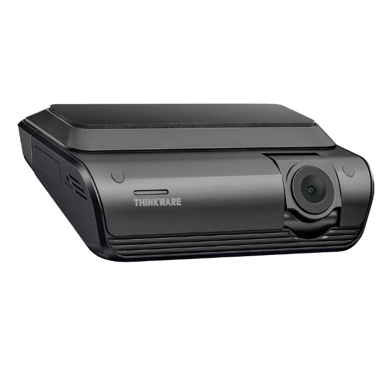
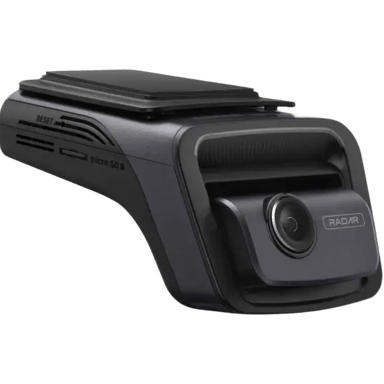
 Recaptor
 0
Cartling
0
Cartling